








Where Cleaning Business Leaders Stay Informed
News, management insights, growth strategies, and industry trends for residential cleaning company owners and managers.
Latest Articles

ISSA Show 2026: Residential Attendee Guide to Las Vegas
October 21, 2026
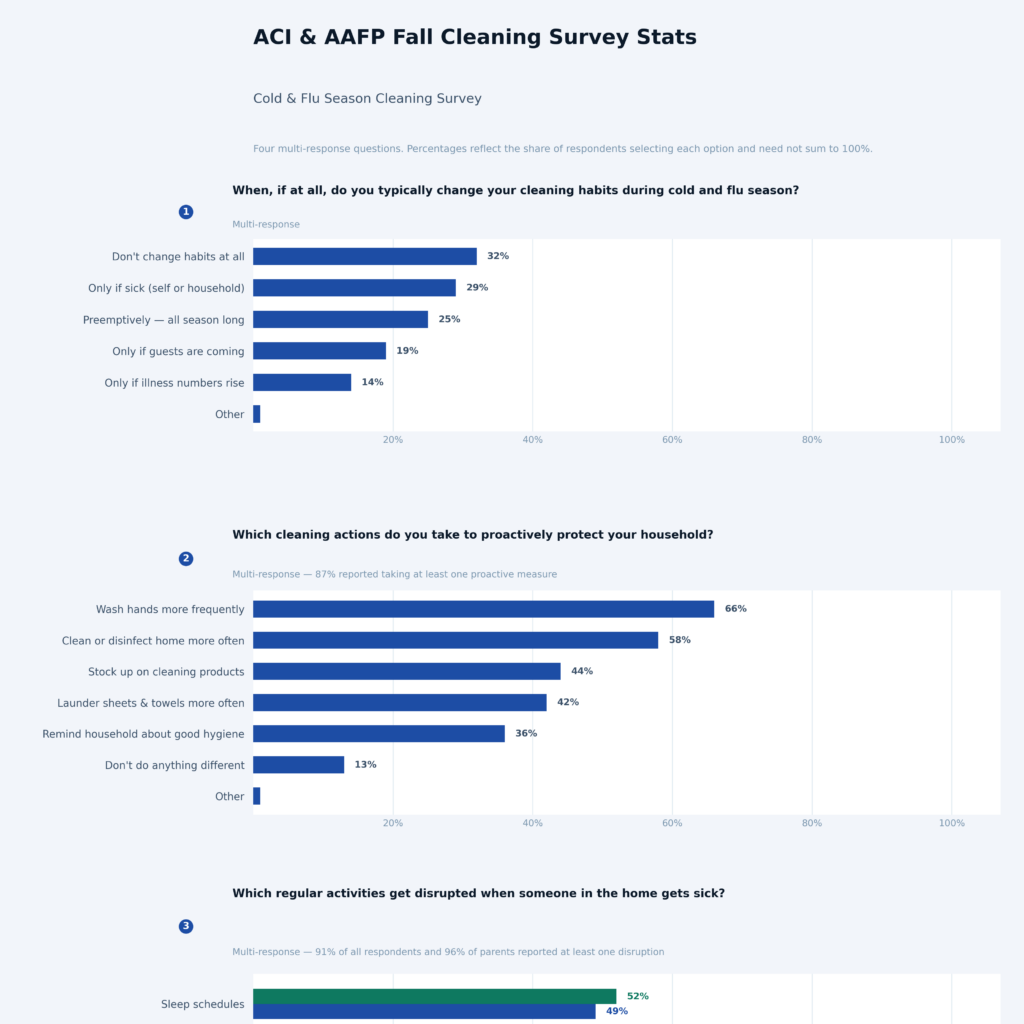
ACI & AAFP Fall Cleaning Survey Stats
October 20, 2026

CleanBoss Highlights Three-Year Growth at Consensus Great Brands Show
October 14, 2026
ISSA Show 2026: Residential Attendee Guide to Las Vegas
October 21, 2026
Not all sessions at ISSA Show are labeled Residential — but your whole week can be. Here’s how to build your Las Vegas playbook before you leave home.
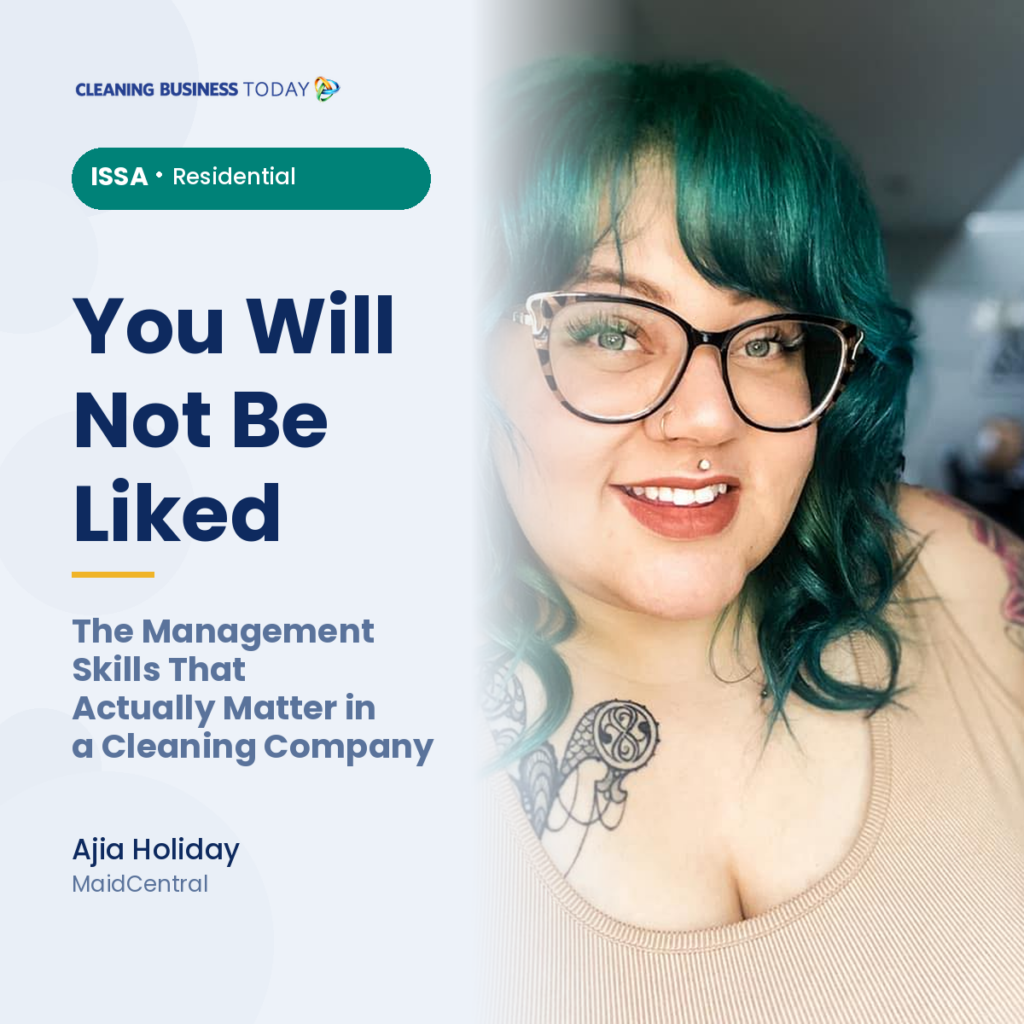
The Management Skills That Actually Matter in a Cleaning Company
October 14, 2026
The transition from cleaner to manager is harder than anyone admits. Learn the specific skills that build real accountability and authority on a cleaning team.

The Three Stakeholders Every Cleaning Owner Balances
October 7, 2026
Employees, customers, and the business itself: cleaning companies only thrive when all three win together. Here’s the framework — and why rising costs make it urgent now.
ISSA Show 2026: Residential Attendee Guide to Las Vegas
October 21, 2026
Not all sessions at ISSA Show are labeled Residential — but your whole week can be. Here’s how to build your Las Vegas playbook before you leave home.
ACI & AAFP Fall Cleaning Survey Stats
October 20, 2026
Cleaning for Cold and Flu Season
CleanBoss Highlights Three-Year Growth at Consensus Great Brands Show
October 14, 2026
Co-founded by Joy Mangano and Armando Christian Pérez, Pitbull, and backed by Consello Capital, the better-for-you cleaning brand showcases its multichannel business and opportunities for continued growth into 2027











Browse Our Top 25 Topics
ISSA Show 2026: Residential Attendee Guide to Las Vegas
October 21, 2026
Not all sessions at ISSA Show are labeled Residential — but your whole week can be. Here’s how to build your Las Vegas playbook before you leave home.

Pudu Robotics’ PUDU BG1 Series Wins Two ISSA Awards, Reinforcing Global Leadership in Commercial Cleaning Robotics
October 13, 2026
SHENZHEN, China, Oct. 13, 2026 -- Pudu Robotics, a global leader in commercial service robotics, has received two awards for its PUDU BG1 Series at ISSA industry events in South Korea […]

Jobber Unveils Jobber Teammate, the First AI Agent for Home and Commercial Service Businesses to Plan, Act, and Learn Like a Real Team Member
September 24, 2026
Jobber Teammate headlines announcements from Jobber Now that make growing businesses easier to run—from managing complex operations and finances to putting AI to work

What the Data Says: Cleaning Business Benchmarks from the Professional Cleaning Index
September 16, 2026
Stop setting goals by gut feel. The Professional Cleaning Index benchmarks six core KPIs by company size — so you can see exactly where your cleaning business stands and where […]

How to Reduce Technician Turnover
November 5, 2025
Technician turnover quietly drains cleaning-company profit. Learn how to calculate it, what a healthy rate looks like, and proven ways to reduce technician turnover.
Absentee Rate: The Core KPI That’s Quietly Eating Your Cleaning Margins
October 1, 2025
Your cleaning company’s absentee rate quietly drains revenue and morale. Learn how to calculate it, the under-7% goal, and proven ways to bring it down.
Smart Business Moves
Our Video series for cleaning business owners
Episodes covering hiring, pricing, growth and more.


Frequently asked questions
Common questions about cleaning businesses
Answers to the questions cleaning business owners ask most.
Yes. Residential cleaning remains one of the most accessible service businesses because of recurring demand, relatively low startup costs, and the ability to scale through hiring and systems. Unlike many industries, cleaning services cannot be fully automated, creating long-term demand for professionally managed companies. Successful cleaning businesses are built on customer retention, efficient operations, and recurring revenue rather than one-time jobs.
The most profitable cleaning companies focus on three areas: efficient labor management, strong customer retention, and recurring service agreements. Profitability improves when owners track key performance indicators (KPIs), optimize scheduling, reduce employee turnover, and increase average customer value through recurring services and strategic upsells.
The transition from cleaner to business owner happens when systems replace personal effort. Scaling typically requires documented processes, consistent hiring and training practices, reliable scheduling systems, and delegation of daily operations. Owners who build repeatable systems can grow without personally cleaning every home or managing every customer interaction.
There is no single number, but successful companies focus on recurring clients rather than total clients. A business with 100 recurring customers on predictable schedules is generally more stable and valuable than one with hundreds of one-time customers. Consistency of revenue matters more than volume alone.
Common mistakes include hiring too quickly, underpricing services, failing to track business metrics, relying solely on referrals, and operating without documented systems. Growth often creates operational complexity, so businesses that expand without improving processes frequently experience declining profitability despite increasing revenue.
The strongest cleaning businesses use multiple lead sources rather than depending on a single marketing channel. Common growth strategies include local search optimization, online reviews, referral programs, paid advertising, community partnerships, and reputation management. Consistent lead generation creates predictable growth and reduces revenue risk.
In addition to standard business KPIs such as revenue, profit margin, lead conversion rate, and customer acquisition cost, residential cleaning companies should track operational KPIs that directly measure scheduling efficiency, technician productivity, recurring revenue, service quality, and employee retention. Tracking these metrics helps owners identify problems early and make informed decisions about growth and profitability.
The value of a cleaning business depends on factors such as recurring revenue, profitability, customer retention, management structure, documented systems, and dependence on the owner. Businesses with strong systems and predictable recurring income generally command higher valuations than companies where the owner is heavily involved in day-to-day operations.
Starting from scratch typically requires less capital but takes longer to build a customer base. Purchasing an existing company can provide immediate revenue, staff, and systems but requires careful due diligence. The best choice depends on available capital, experience, risk tolerance, and growth objectives.
A small cleaning business depends on the owner's time and effort. A scalable cleaning company operates through systems, documented procedures, trained team members, and measurable performance standards. The most successful companies create processes that deliver consistent results regardless of who performs the work, allowing growth without sacrificing quality.