- Trigger Allergic Reactions
- Cause Respiratory Problems
- Affect Your Microbiome
- Chlorine Bleach: This cleaning chemical is usually used to remove mold or mildew and disinfect various surfaces, like toilets or floors. Although it’s an effective ingredient, it can also irritate your lungs and skin.
- Artificial Scents: Many commercial cleaning products come with scented varieties to produce a pleasant smell after sanitation. However, the ingredients used to add scents may be irritating, especially to those who have sensitive skin or noses.
- Parabens: Cleaning items with this antimicrobial ingredient may cause harmful effects on your reproductive system and hormones.
- Quaternary Ammonium Compounds (QUATS): Various cleaning supplies, like fabric softeners or dryer sheets, may contain this chemical. QUATS may cause various respiratory issues.
FAQs
Q: What safety protocols should professional cleaners follow?
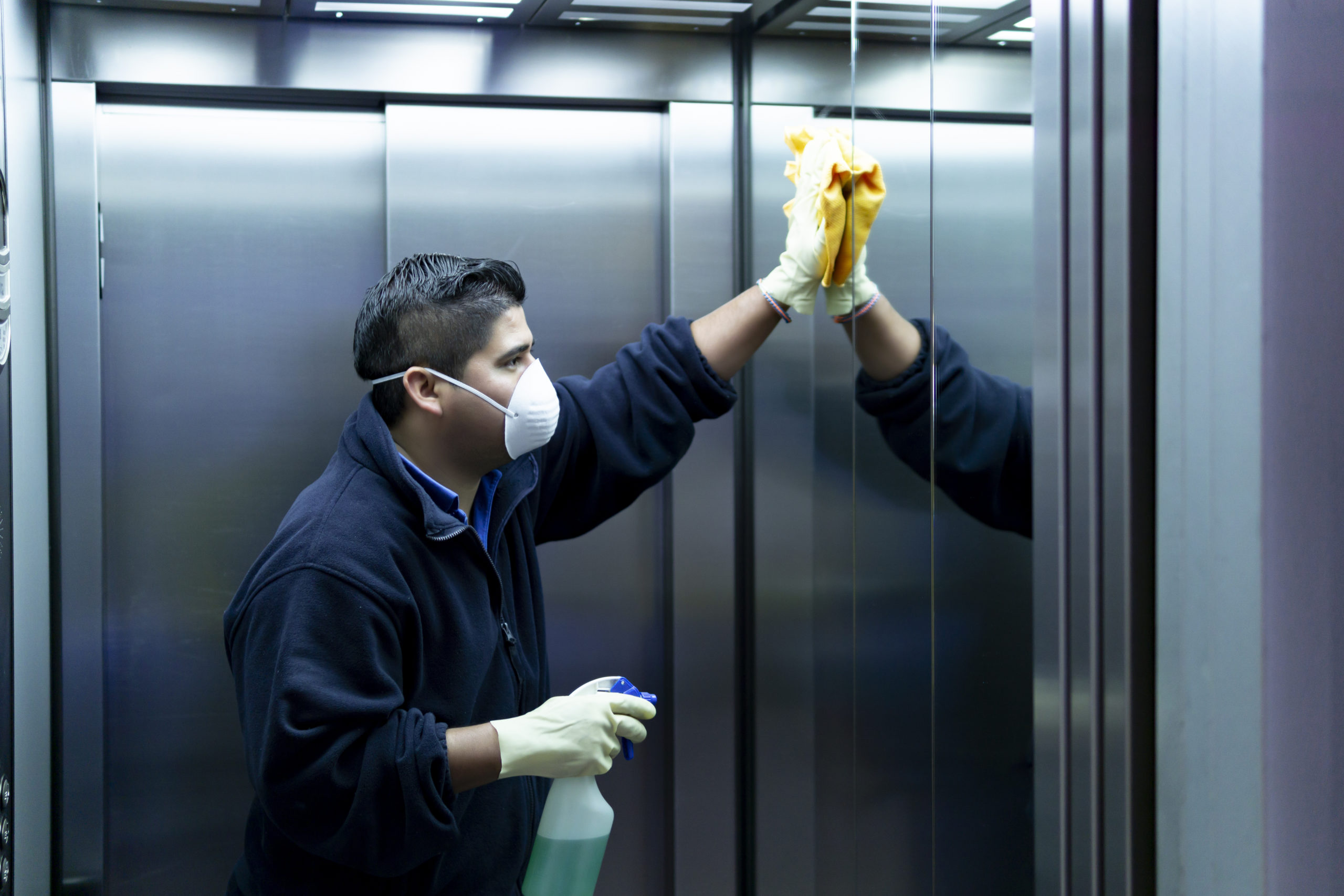
A: Cleaners should use labeled products correctly, wear appropriate PPE, ventilate work areas, avoid unsafe chemical mixing, follow dwell times, report hazards, and understand surface compatibility. Safety training should be documented and repeated regularly.
Q: Why does product chemistry matter in cleaning?
A: Product pH, active ingredients, dilution, dwell time, and surface compatibility determine whether a cleaner removes soil safely and effectively. Misusing chemistry can damage surfaces, irritate occupants, or create health and liability risks.
Q: How can cleaning companies protect indoor air quality?
A: Use appropriate products, avoid over-application, ventilate when needed, control dust, maintain equipment and filters, and train technicians to reduce aerosols, residues, and fragrance sensitivity concerns.