FOR IMMEDIATE RELEASE
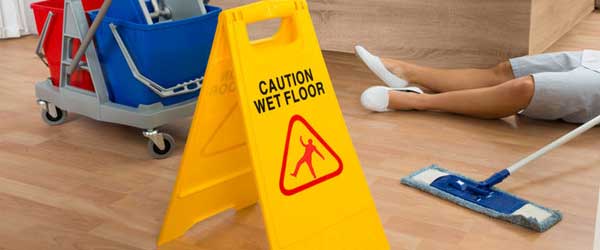
Toledo, OH - Cleaning workers face all types of dangers and hazards when performing cleaning tasks. This is why janitorial work is often listed as one of the most dangerous professions in the U.S. Slip-and-fall accidents, chemical splatter to skin and eyes, inhalation of chemical fumes, and other hazardous occurrences happen far too frequently. However, Vicky Adams, Senior Category Manager for Safety, Gloves, and Foodservice products for Impact Products, a leading manufacturer of supplies, safety gear, and accessories for the professional cleaning and maintenance industry, says most of these hazards fall into the following five categories: Biological hazards. This would include exposure to infectious pathogens, bacteria, fungi, or mold. Chemical hazards. Many cleaning chemicals contain a variety of ingredients that may be toxic and health-threatening if touched or inhaled; this could also include green cleaning chemicals, especially if they are not used properly or are mishandled. Physical hazards. Often overlooked, the physical hazards of cleaning include such things as using "noisy" cleaning equipment, equipment that vibrates, tools that are not ergonomically designed, as well as cleaning tasks that require considerable repetitive movement such as vacuuming or mopping floors. Poor indoor air quality. In many large facilities, HVAC systems are now designed to turn off at 6 p.m. during the weekday and off entirely over the weekend. If a cleaning worker is working in an enclosed area, the fumes from powerful cleaning chemicals could result in health-risking indoor air quality. Stress. Again, it's not always recognized as a hazard, but stress is common among cleaning workers if they do not feel adequately trained to perform their cleaning tasks, there is poor communication with supervisors, poor work organization, poor working conditions, overexertion, and when new cleaning tools, equipment, or procedures are introduced. "All of these hazards can be minimized if not eliminated," says Adams. "Actually, removing [cleaning worker] stress is often the first hazard that should be addressed. Once that is done, the other hazards can be dealt with more calmly and appropriately." About Impact Products, LLCImpact Products is a manufacturer and supplier of branded and private label non-chemical commercial cleaning, maintenance, safety and related products, The company's offering encompasses a full suite of janitorial products including floor care products, waste receptacles, washroom accessories, gloves and safety products, Impacting Everything: Easier, Safer, Better. Markets served by the company include commercial cleaning, industrial services, healthcare, government, schools, office buildings, hospitality and foodservice. Founded in 1963, Impact's broad customer base is served out of Toledo, Ohio, Walnut, California, and Purvis, Mississippi. Impact Products, LLC is a division of the S.P. Richards Company, a wholly owned subsidiary of Genuine Parts Company (NYSE: GPC). Visit us at www.impact-products.com/
Company Contact Information:Robb Borgen Director of Marketing Impact Products, LLC Direct: 567.343.1290 Cell/Text: 419.290.5756 Email:rborgen@impact-products.com Web: www.impact-products.com
Media Contact:
Robert Kravitz robert@alturasolutions.com 312-880-8176
FAQs
A: Cleaners should use labeled products correctly, wear appropriate PPE, ventilate work areas, avoid unsafe chemical mixing, follow dwell times, report hazards, and understand surface compatibility. Safety training should be documented and repeated regularly.
A: Product pH, active ingredients, dilution, dwell time, and surface compatibility determine whether a cleaner removes soil safely and effectively. Misusing chemistry can damage surfaces, irritate occupants, or create health and liability risks.
A: Use appropriate products, avoid over-application, ventilate when needed, control dust, maintain equipment and filters, and train technicians to reduce aerosols, residues, and fragrance sensitivity concerns.