- Refresh The Stair Treads
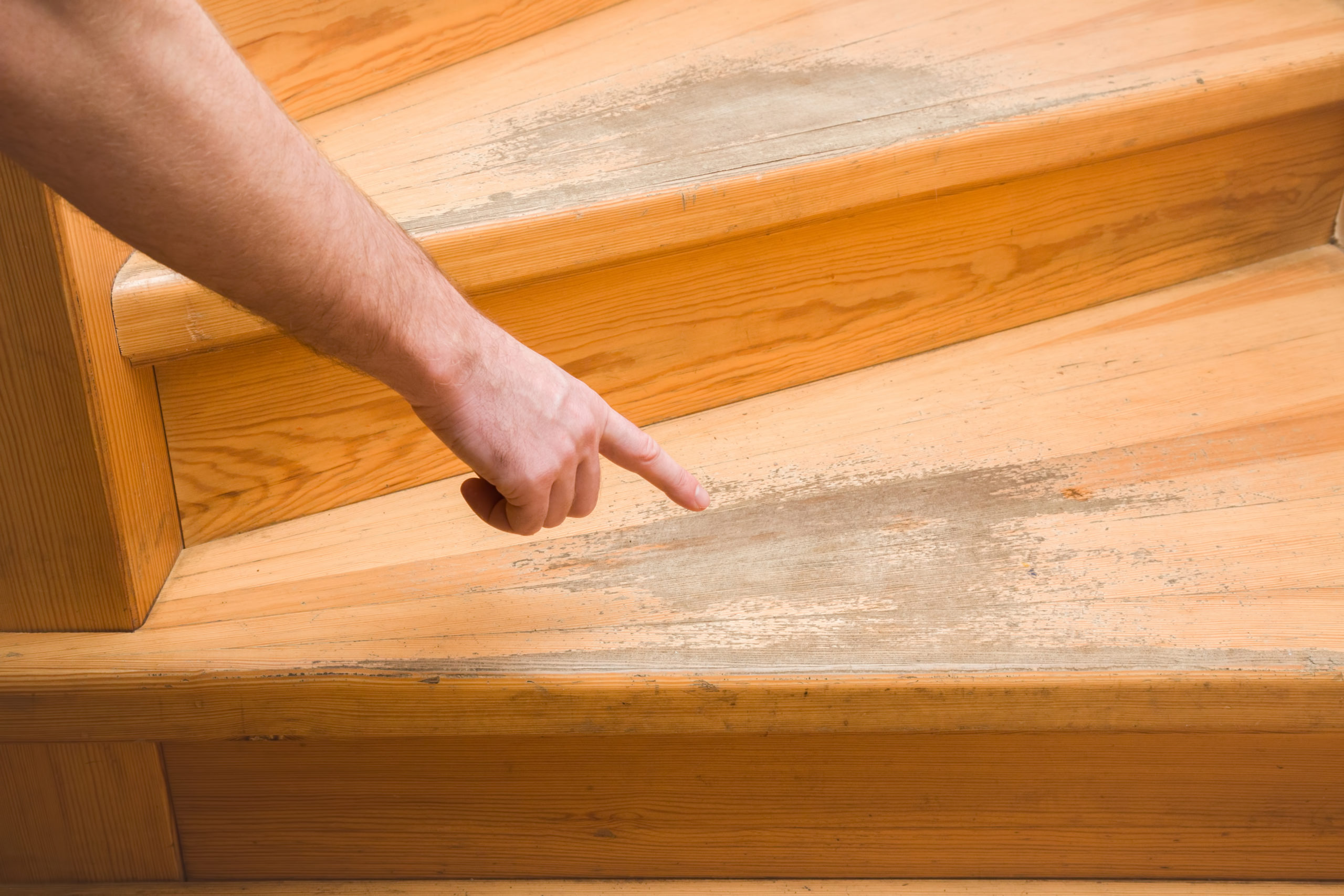
- Check the extent of the damage: Examine your stairs for wear and tear by carefully checking each stair tread. It’s likely you’d find varying degrees of wear. An example is when the finish of the top and bottom steps of the staircase is completely worn off but intact on the treads in between.
- Thoroughly clean your stairs: If the damage isn’t as bad as you’ve expected, like there are no moderate to deep scratches, consider having your stairs cleaned by professionals. But make sure to hire those who don’t use strong cleaning chemicals. If you’d rather do it on your own, wear your hand gloves and get ready with a paint thinner onto the thread. Get steel wool, dip it in the thinner, and scrub the tread to remove wood stains and scuff marks. Then dry the stairs with a cotton cloth.
- Use wood restoration products: After having your stairs deeply cleaned, look for products that can refresh your stairs without the heavy work, such as sanding and buffing. These floor reviver products are often applied with one coat and come in either low or high gloss. The luster on your stairs can last for a maximum of six months.
- Oil-based formula dries slowly and can be challenging to work with. However, this variety provides the longest-lasting and richest colors available.
- Water-based formula is a product made with the customers’ convenience in mind. It’s easy to apply and clean up, but you may need to do two coats to get the finish you want.
- Gel formula doesn’t penetrate on wood, especially if it’s previously painted. This is also a good option to fill in the deep scratches.
- Combination formula is a product made for polyurethane finishes. This type of plastic is commonly used in coating wood and gives different levels of shine.
FAQs
Q: What are abrasive cleaners used for?
A: Abrasive cleaners use friction to remove stuck-on soil, mineral buildup, soap scum, stains, and residue. They can be effective, but cleaning technicians must match the abrasive level to the surface to avoid scratches and permanent damage.
Q: What surfaces should cleaners avoid using abrasives on?
A: Avoid harsh abrasives on delicate finishes such as soft stone, glossy coatings, stainless steel grain, painted surfaces, acrylic, and other scratch-prone materials unless the manufacturer allows it. Test first and escalate from the least aggressive method.
Q: How should a cleaning company train technicians on abrasives?
A: Create a surface-safety chart that explains which pads, powders, brushes, and chemicals are approved for each surface. Pair that with photo examples, test-spot rules, and documentation for damage-prevention procedures.